Data as the Foundation of Climate Science
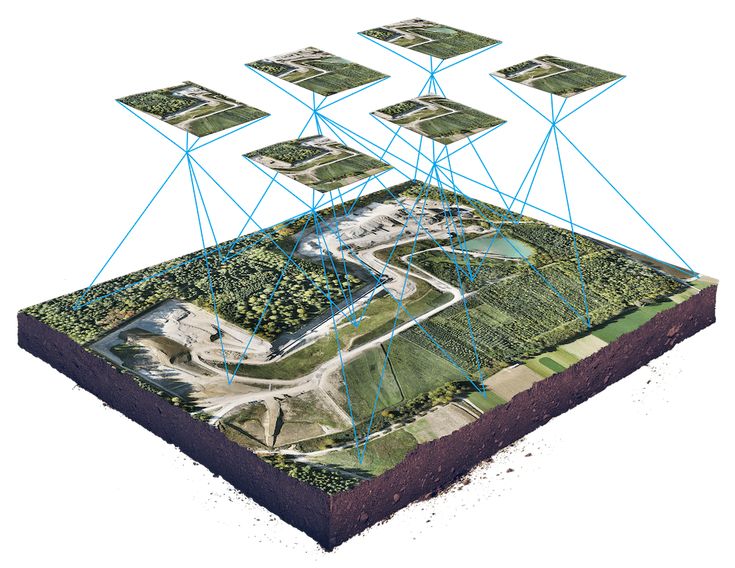
Data plays a pivotal role in climate change research by providing the evidence needed to understand, predict, and mitigate its impacts. Scientists rely on vast datasets collected from satellites, weather stations, ocean buoys, and ice cores to track changes in temperature, greenhouse gas concentrations, sea levels, and biodiversity.Â

Historical climate data helps identify long-term trends, while real-time monitoring allows for the detection of sudden environmental shifts. Without accurate and comprehensive data, it would be impossible to model future climate scenarios or assess the effectiveness of policy interventions.
Data is the backbone of climate change research, providing the empirical foundation needed to analyze environmental shifts, validate scientific theories, and guide policy decisions. From satellite observations and atmospheric sensors to oceanographic buoys and tree-ring records, vast amounts of data are collected to monitor key indicators such as global temperatures, carbon dioxide levels, glacial retreat, and extreme weather frequency. This information allows scientists to distinguish between natural climate variability and human-induced changes, offering critical insights into the drivers of global warming. Without reliable data, climate models—which project future scenarios based on different emission pathways—would lack accuracy, undermining efforts to develop effective mitigation and adaptation strategies.
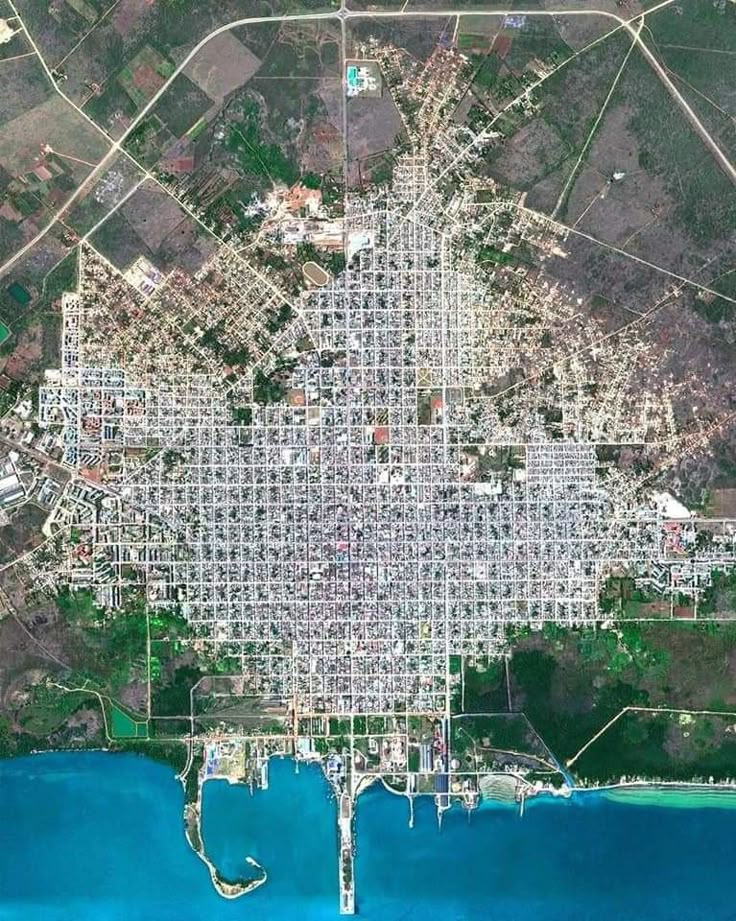
The rise of big data analytics and computational tools has revolutionized climate science, enabling researchers to process and interpret complex datasets at unprecedented speeds. Machine learning algorithms can detect subtle patterns in climate systems, improving predictions of droughts, hurricanes, and heatwaves. Meanwhile, remote sensing technologies, such as NASA’s Earth Observing System and the European Space Agency’s Copernicus program, deliver high-resolution global data on land use, ice melt, and deforestation. Open-data platforms, like those maintained by the Intergovernmental Panel on Climate Change (IPCC), ensure transparency and collaboration, allowing scientists, policymakers, and the public to access and build upon the latest findings.

Technological Advances in Climate Data Analysis
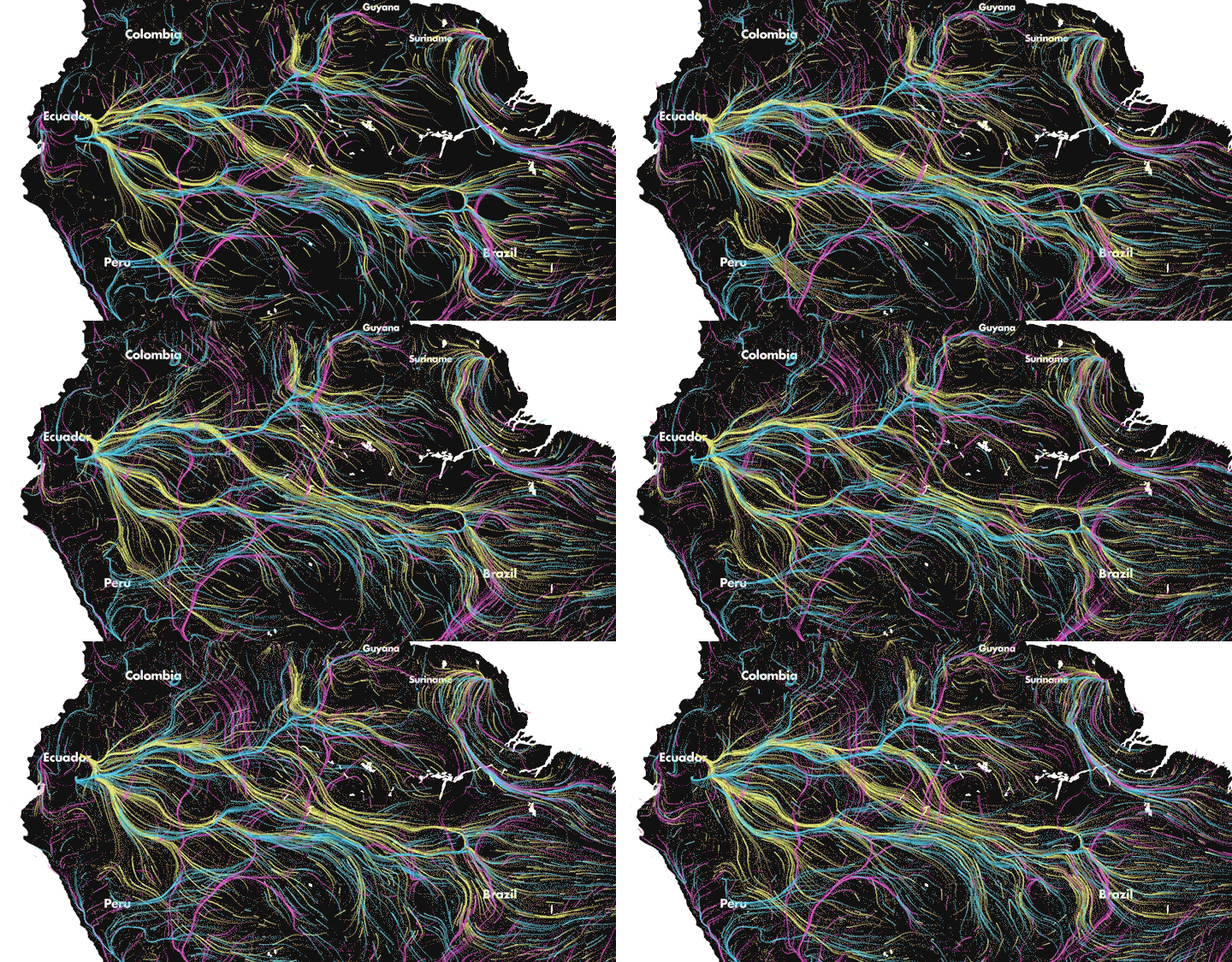
Advanced technologies like artificial intelligence (AI) and machine learning (ML) are enhancing the analysis of climate data, enabling researchers to process complex datasets more efficiently. These tools help identify patterns, predict extreme weather events, and optimize renewable energy systems. Additionally, open-data initiatives and international collaborations ensure that climate scientists worldwide can access and share critical information, fostering a unified approach to tackling global warming.
Data is the backbone of climate change research, providing the empirical foundation needed to analyze environmental shifts, validate scientific theories, and guide policy decisions. From satellite observations and atmospheric sensors to oceanographic buoys and tree-ring records, vast amounts of data are collected to monitor key indicators such as global temperatures, carbon dioxide levels, glacial retreat, and extreme weather frequency. This information allows scientists to distinguish between natural climate variability and human-induced changes, offering critical insights into the drivers of global warming. Without reliable data, climate models—which project future scenarios based on different emission pathways—would lack accuracy, undermining efforts to develop effective mitigation and adaptation strategies.
The rise of big data analytics and computational tools has revolutionized climate science, enabling researchers to process and interpret complex datasets at unprecedented speeds. Machine learning algorithms can detect subtle patterns in climate systems, improving predictions of droughts, hurricanes, and heatwaves. Meanwhile, remote sensing technologies, such as NASA’s Earth Observing System and the European Space Agency’s Copernicus program, deliver high-resolution global data on land use, ice melt, and deforestation. Open-data platforms, like those maintained by the Intergovernmental Panel on Climate Change (IPCC), ensure transparency and collaboration, allowing scientists, policymakers, and the public to access and build upon the latest findings.
Despite its importance, data collection and analysis face challenges, including gaps in historical records, uneven global monitoring, and the need for improved data resolution. Addressing these limitations requires increased funding, technological innovation, and stronger cooperation between governments, academia, and private organizations. As climate change accelerates, high-quality data will remain essential for informing evidence-based decisions and driving sustainable solutions for the planet.
Data is the backbone of climate change research, providing the empirical foundation needed to analyze environmental shifts, validate scientific theories, and guide policy decisions. From satellite observations and atmospheric sensors to oceanographic buoys and tree-ring records, vast amounts of data are collected to monitor key indicators such as global temperatures, carbon dioxide levels, glacial retreat, and extreme weather frequency. This information allows scientists to distinguish between natural climate variability and human-induced changes, offering critical insights into the drivers of global warming. Without reliable data, climate models—which project future scenarios based on different emission pathways—would lack accuracy, undermining efforts to develop effective mitigation and adaptation strategies.
The rise of big data analytics and computational tools has revolutionized climate science, enabling researchers to process and interpret complex datasets at unprecedented speeds. Machine learning algorithms can detect subtle patterns in climate systems, improving predictions of droughts, hurricanes, and heatwaves. Meanwhile, remote sensing technologies, such as NASA’s Earth Observing System and the European Space Agency’s Copernicus program, deliver high-resolution global data on land use, ice melt, and deforestation. Open-data platforms, like those maintained by the Intergovernmental Panel on Climate Change (IPCC), ensure transparency and collaboration, allowing scientists, policymakers, and the public to access and build upon the latest findings.